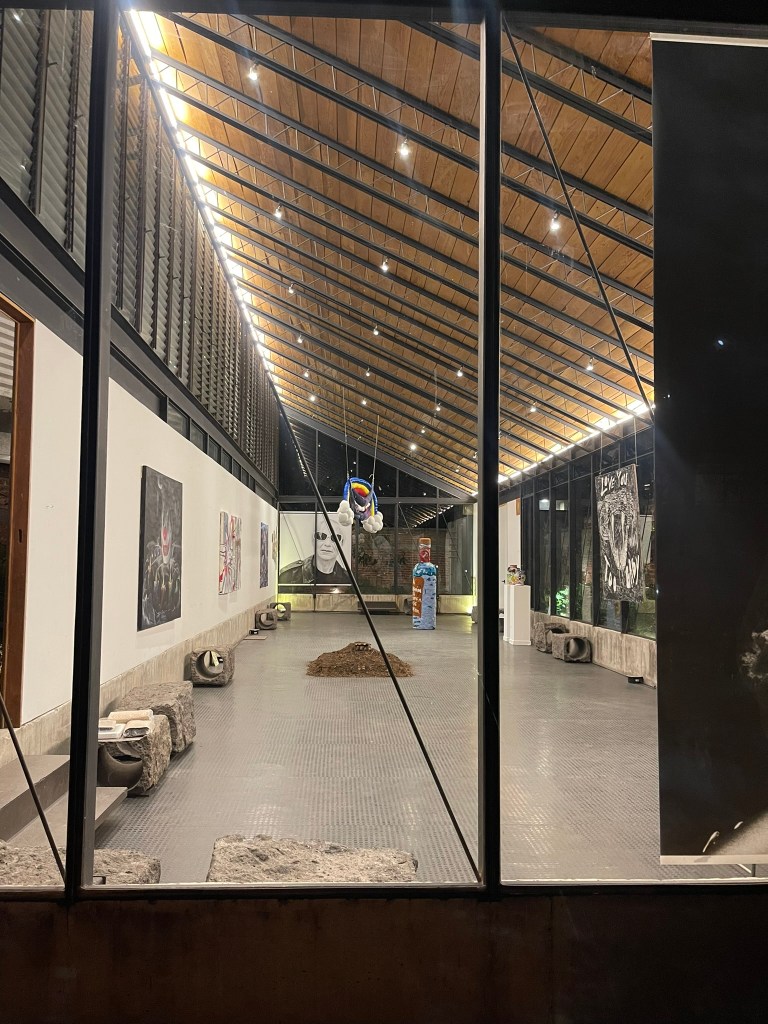
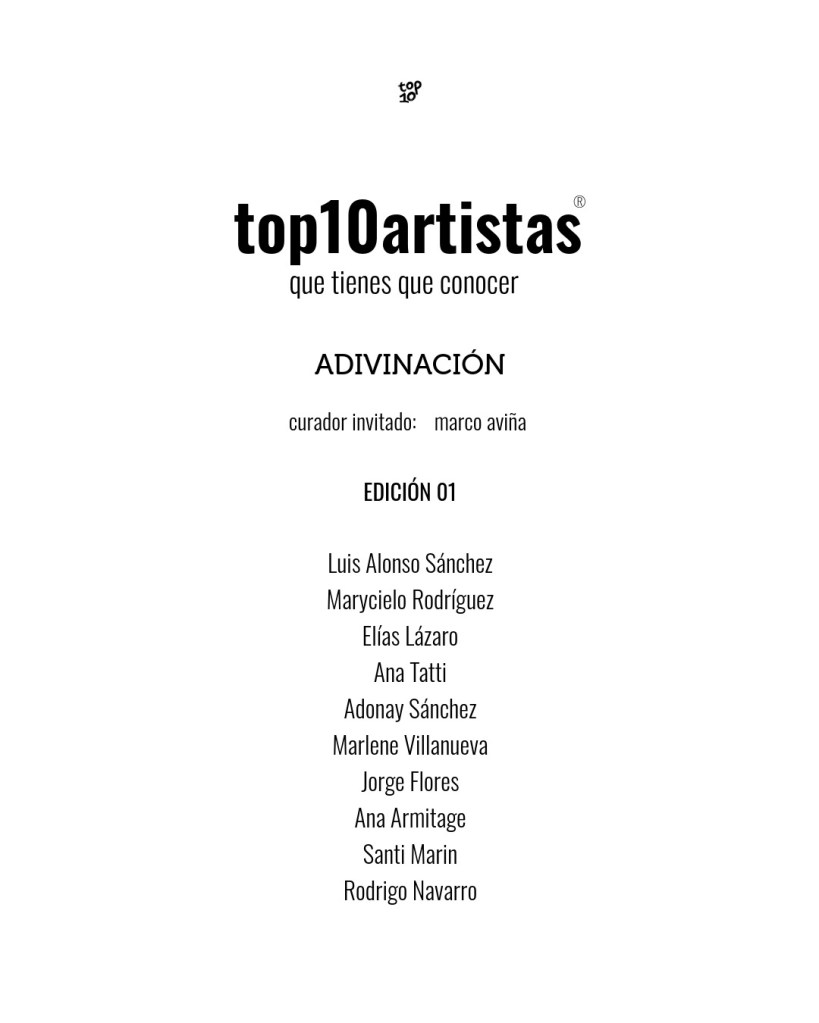
curador invitado
GUEST CURATOR
marco aviña
Ciudad de México, 1986
Fundador de la La-Drón galería y docente en producción de arte. Su trayectoria en la curaduría comenzó en la Escuela Nacional de Pintura, Escultura y Grabado “La Esmeralda”, y desde entonces ha sido un impulsor activo del arte emergente en galerías independientes. Con un estilo influenciado por el street art y el graffiti, Aviña fusiona cultura pop con símbolos espirituales y religiosos, desarrollando un lenguaje visual que refleja la personalidad y el discurso auténtico, coherente y perverso de Aviña.
Mexico City, 1986
Founder of the La-Drón gallery and professor of art production. His curatorial career began at the National School of Painting, Sculpture, and Engraving “La Esmeralda,” and since then he has been an active promoter of emerging art in independent galleries. With a style influenced by street art and graffiti, Aviña fuses pop culture with spiritual and religious symbols, developing a visual language that reflects his personality and authentic, coherent, and subversive discourse.
texto de sala
El curador como oráculo sistemático inductivo
¿Quién no ha tenido la sensación de que hay algo más allá de lo que vemos y oímos? Una vivencia, una agitación inmediata que está más allá de lo cotidiano, algún roce con el numen. La magia y la adivinación nos ofrecen herramientas para explorar esa otra realidad a través de la vía mística, la que se esconde a simple vista buscando lo sagrado. Hay un mundo espiritual que existe simultáneamente al mundo material que consta a nuestra percepción cotidiana.
Ese tipo de conversaciones teníamos en aquel momento cuando conocí a Marco Aviña, así como el lugar que ocuparíamos con el pasar de los años, augurando de la forma más simple posible el porqué de nuestro presente y posible futuro. Como los humanos complejos que somos, no dejamos de buscar maneras de esbozar el futuro y explicar el pasado -sin importar la cantidad de imprecisiones, incluso en el presente- adoptando casi empíricamente esa cualidad de suerte y presagio en la vida. Siendo la adivinación una constante desde ese entonces para nosotros y a su vez, una práctica muy respetada casi desde el origen de la civilización, es como MAAV desentraña cual arúspice esta curaduría.
Bien dicen por ahí que el saber acumulado por la experiencia persigue una respuesta ambivalente continua, además de cumplir con la premisa de autogestión mística, las piezas y sus autores flotan sobre distintas aristas de inflexión simbólicas. El conocimiento que adquirimos a través de la experiencia es un proceso continuo y subjetivo, que nos lleva a una búsqueda constante de significado. Este conocimiento no nos proporciona respuestas definitivas, sino que más bien nos invita a reflexionar y a construir nuestras propias interpretaciones de la conexión íntima entre el mundo divino y el humano.
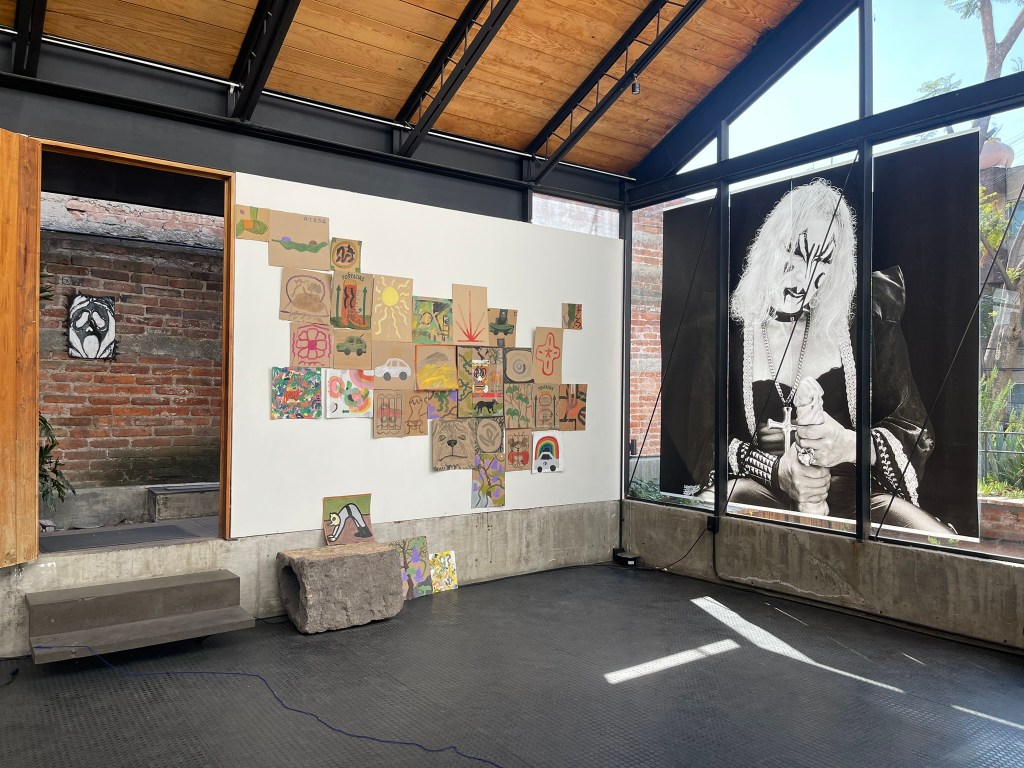
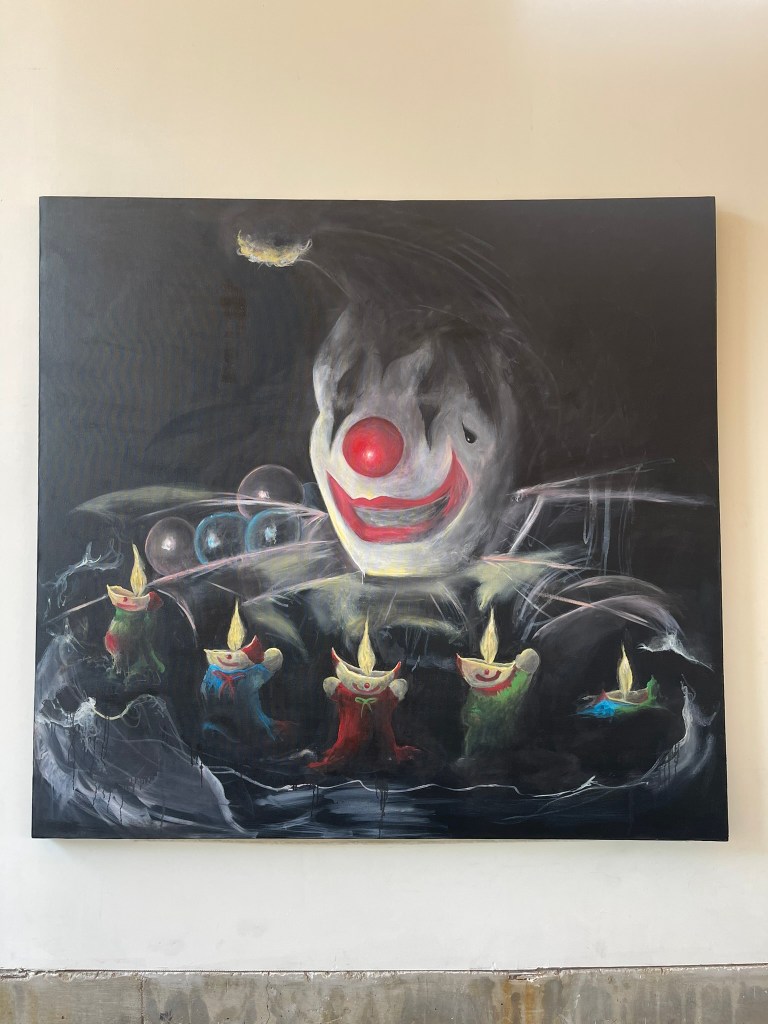
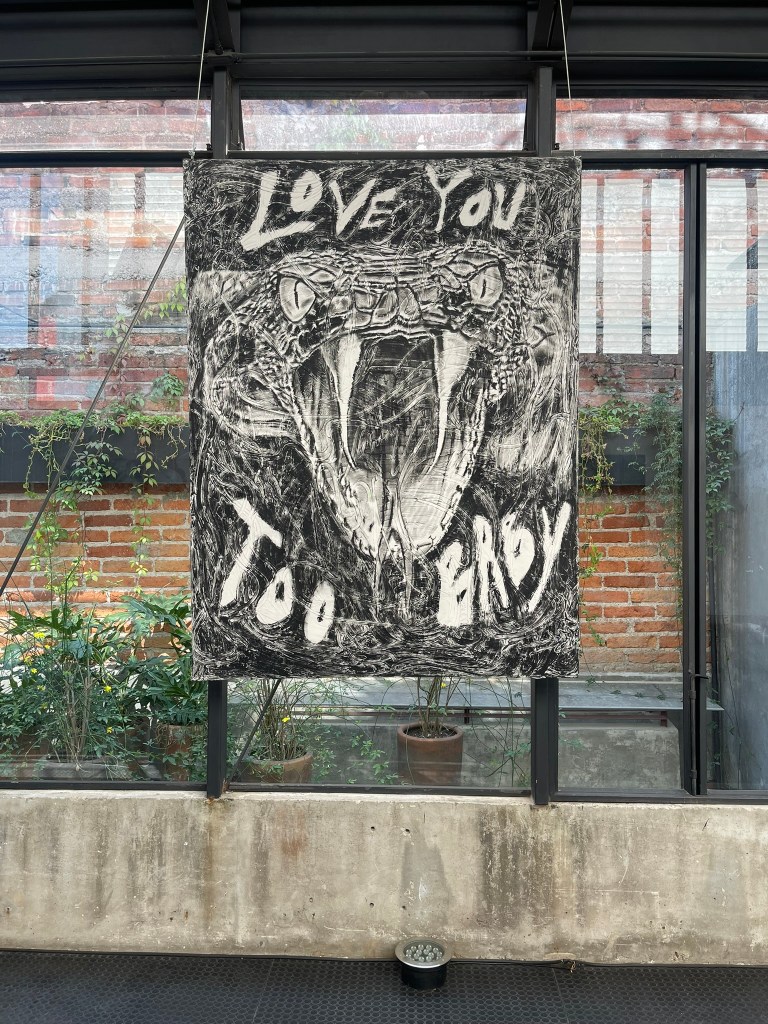
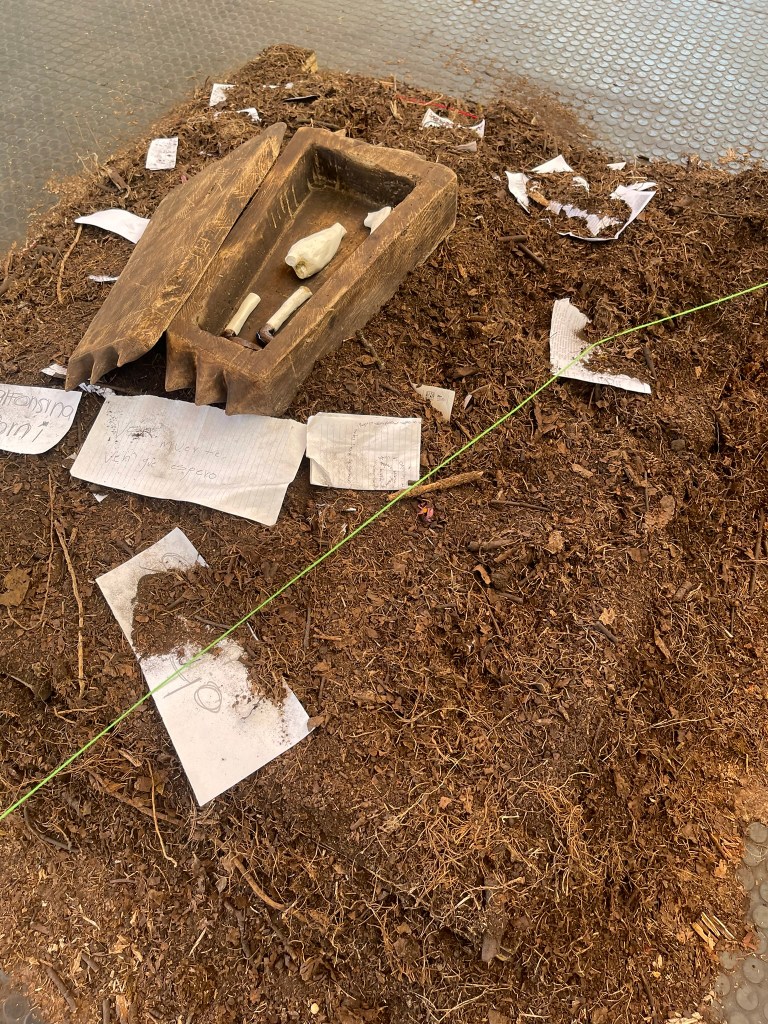
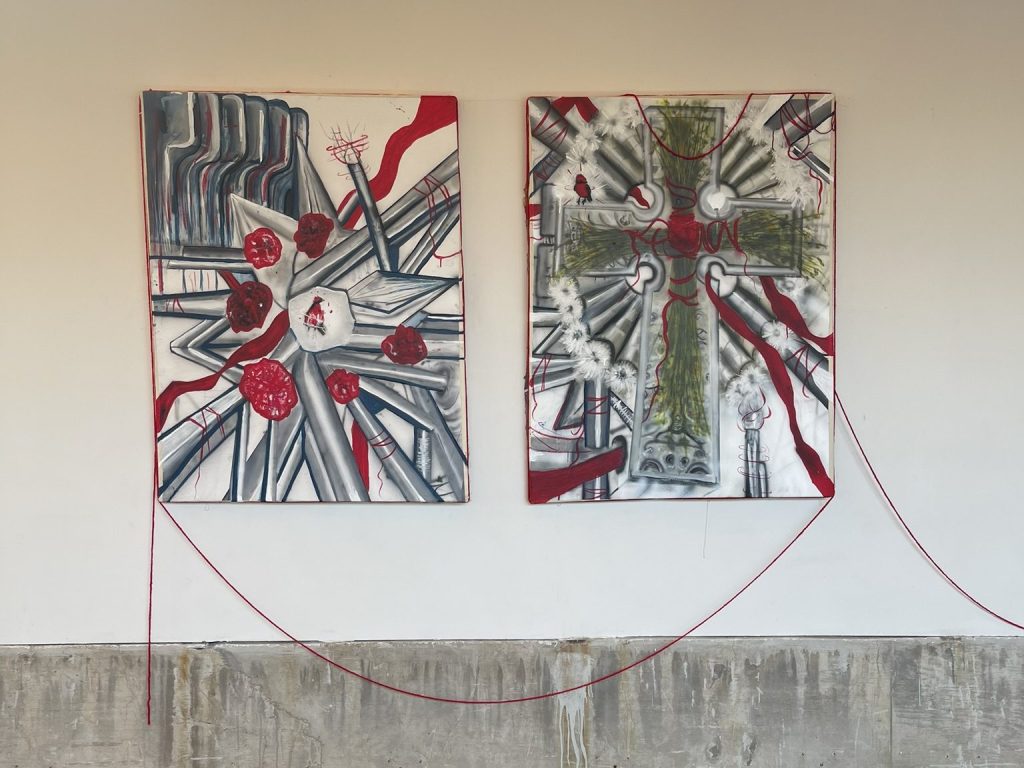
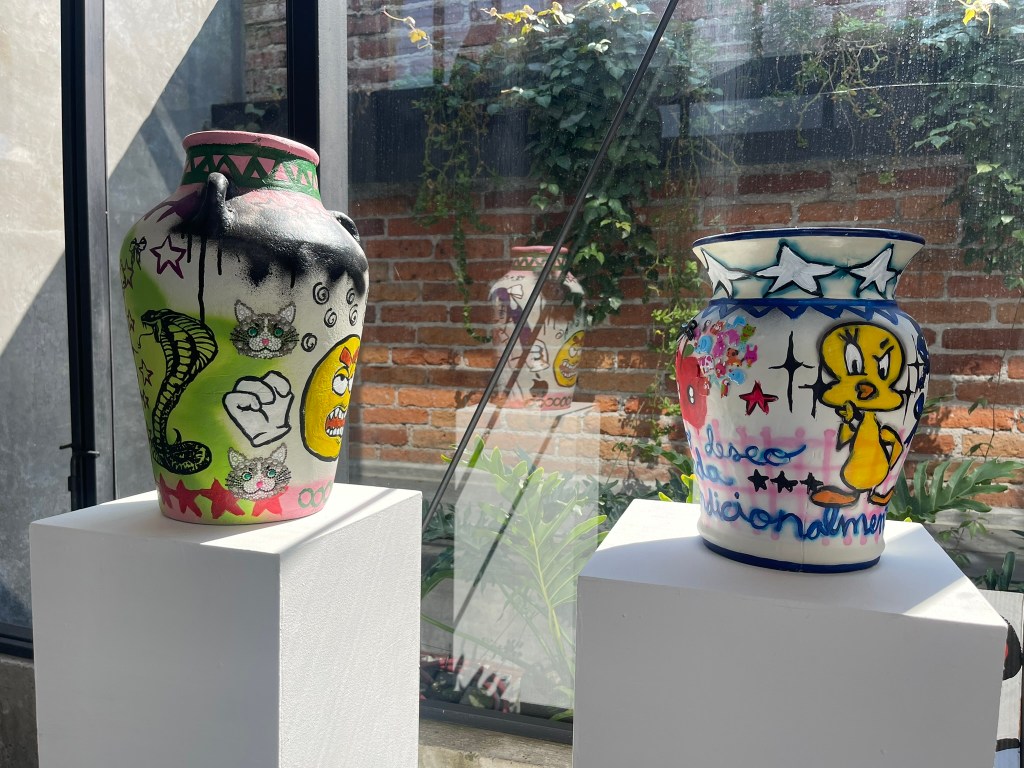
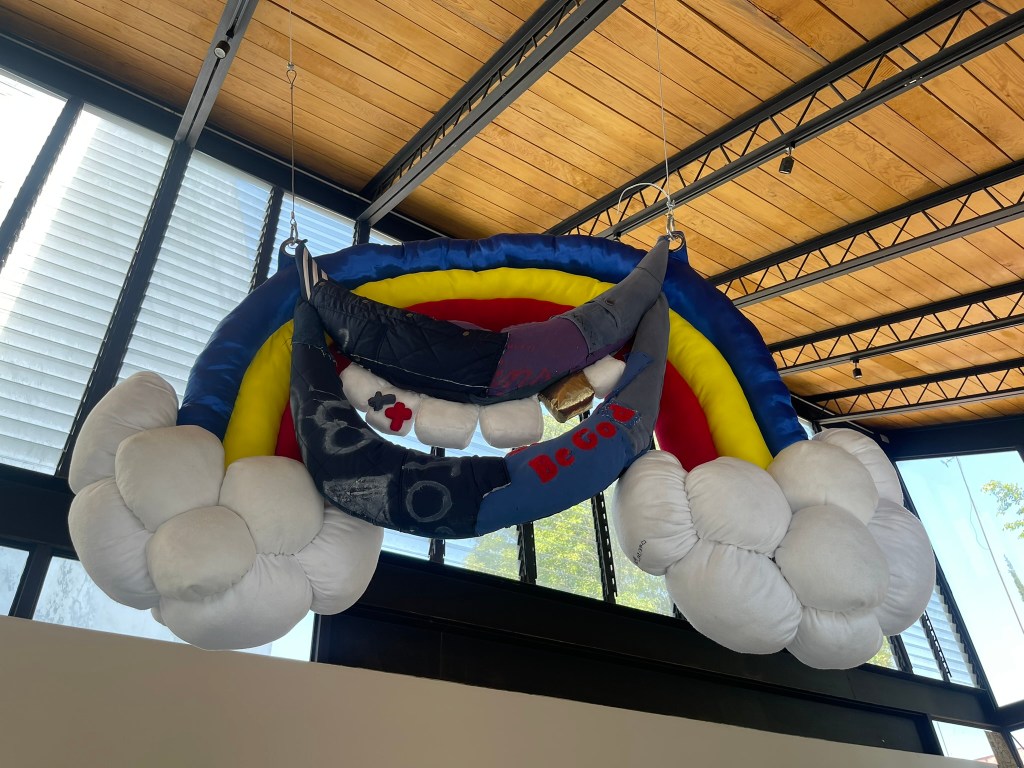
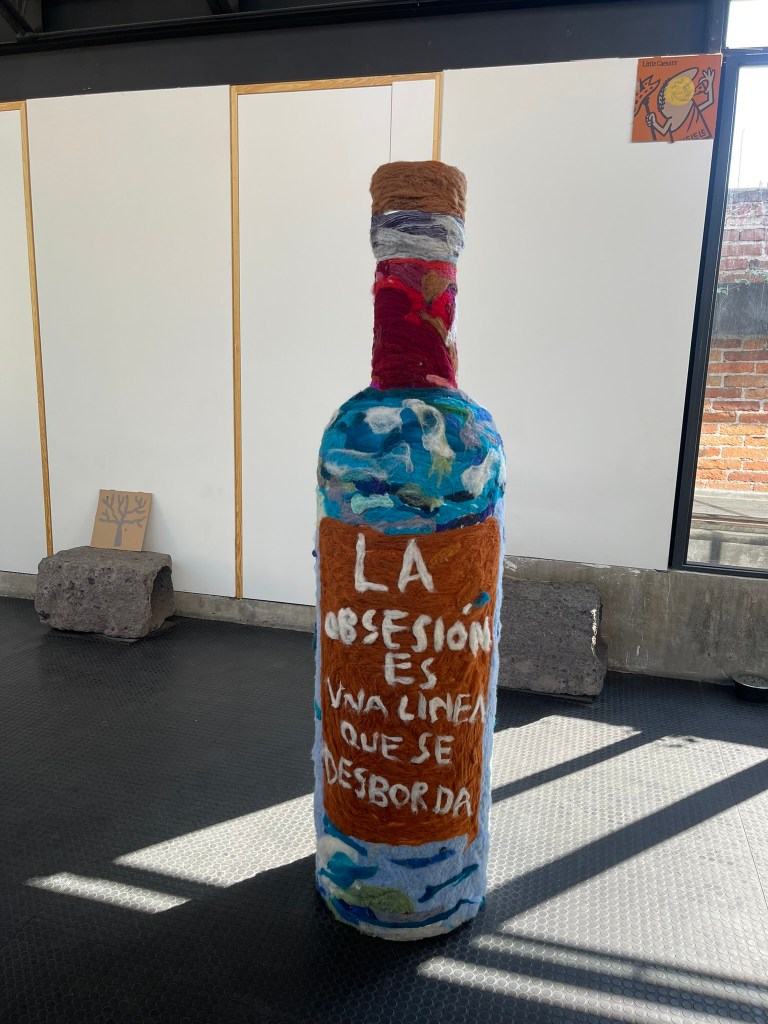
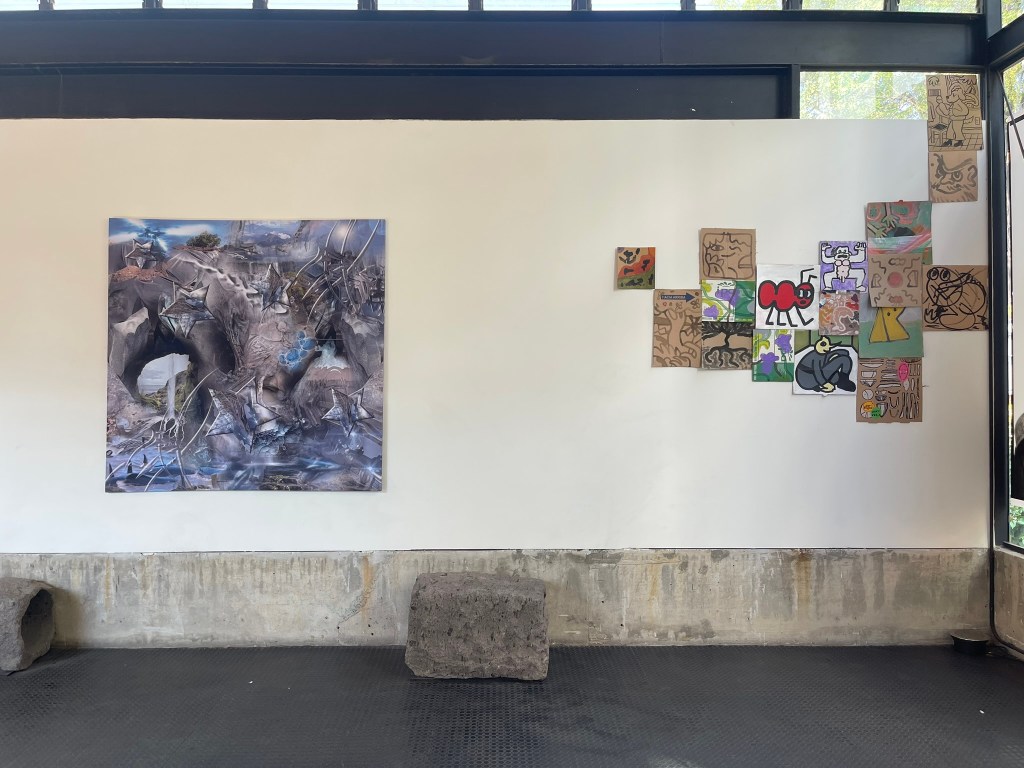
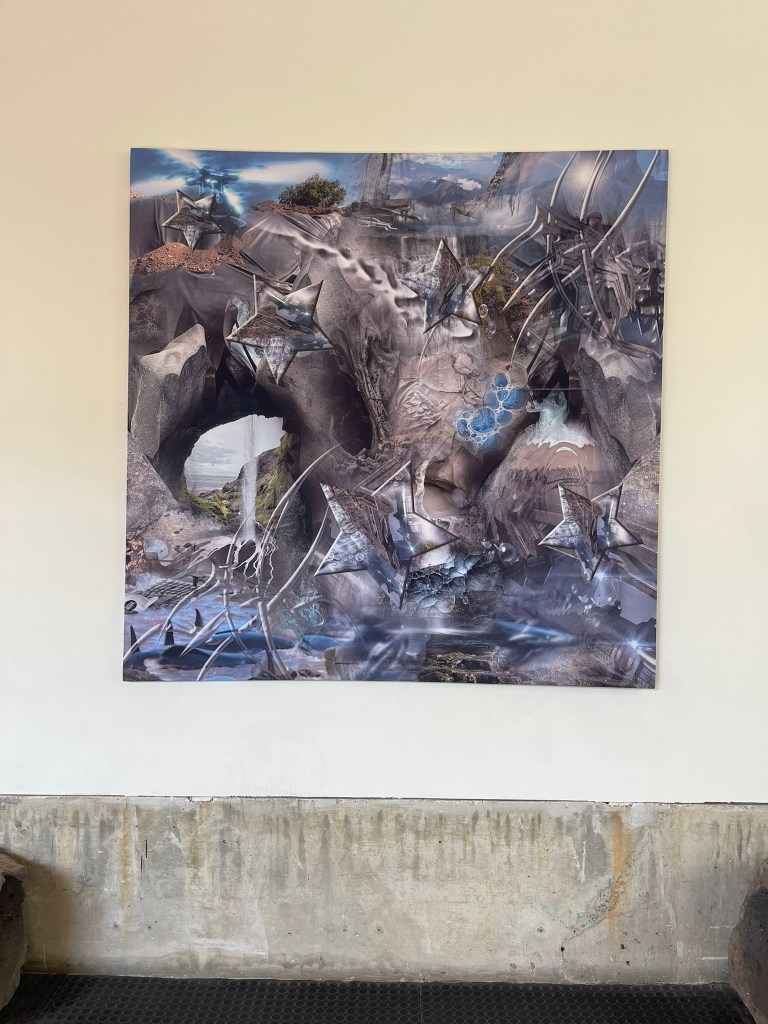
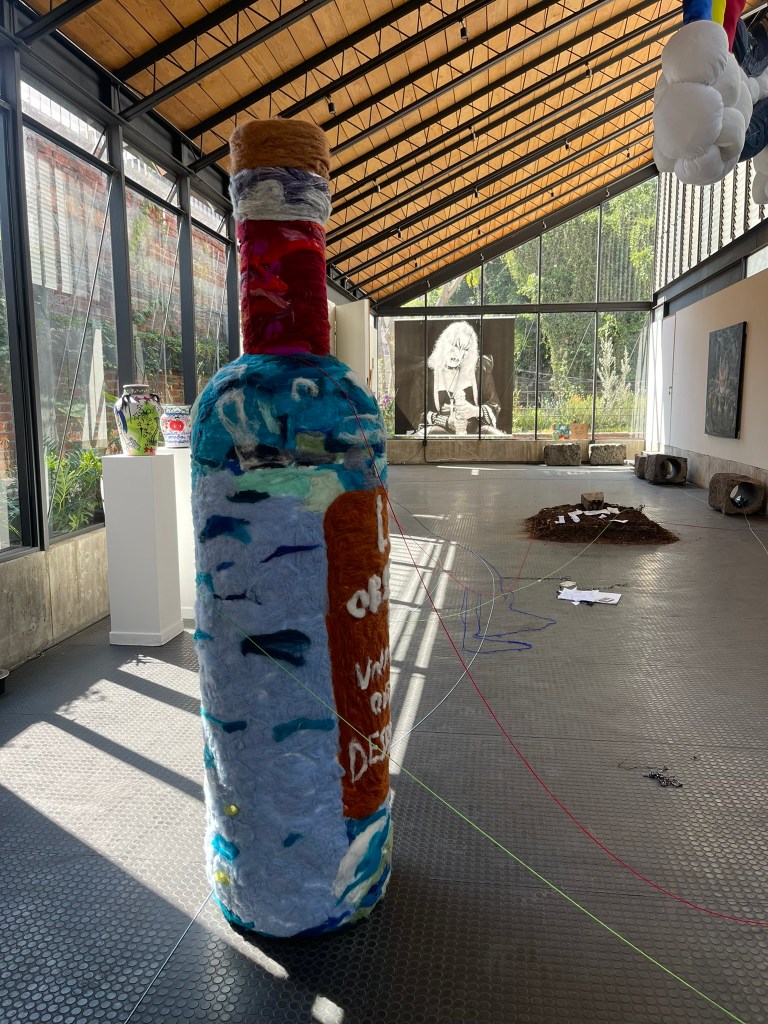
Podemos consultar a la memoria a partir de una fotografía para rescatar pictóricamente lo que pudo haber significado el cumpleaños número uno, antes de tener pleno uso de conciencia. Destapar la última botella inmensa para comenzar un proceso de rompimiento de patrones generacionales y dar fin a esa pelea interna con las adicciones. El envoltorio del muerto Tijuanense Dentro y fuera de escena como área de exploración merodeando la búsqueda conceptual entre la huella e identidad. Explorar un sincretismo trifásico biomecánico entre Chalma y Jerusalén a modo de rebeldía estética. Un guiño al enterramiento intencional sugiriendo una preocupación por el difunto en el más allá, las formas más antiguas de comportamiento ritual conocidas. Articulando en cada pieza que forma esta selección los factores presentes en la adivinación: observación, interpretación y la expiación. Dejándonos claramente una evidencia contemporánea para abordar el ámbito sobrenatural y la manera en que lo hemos percibido como civilización.
Javier Salomón H.
The Curator as a Systematic Inductive Oracle
Who hasn’t felt that there is something beyond what we see and hear?
An experience, an immediate stirring that lies outside the everyday—some brush with the numinous. Magic and divination offer us tools to explore that other reality through the mystical path, the one hidden in plain sight, always in search of the sacred. A spiritual world exists simultaneously with the material one, though it lies outside our ordinary perception.
Those were the kinds of conversations we had back then, when I first met Marco Aviña—as well as reflections on the place we might occupy over time, divining in the simplest way possible the reasons behind our present and potential future. As the complex beings we are, we continuously seek ways to sketch out the future and explain the past—regardless of the inaccuracies, even in the present—adopting, almost empirically, that quality of luck and omen in life. Divination has been a constant for us ever since, and at the same time, it is a practice that has been deeply respected since the dawn of civilization. It is in this spirit that MAAV approaches this curatorship, unraveling it like a haruspex.
It is often said that the knowledge gathered through experience pursues a continuous, ambivalent response. Beyond fulfilling the premise of mystical self-management, the works and their authors float along various symbolic inflection points. The knowledge we acquire through experience is a continuous and subjective process that leads us to a constant search for meaning. It does not give us definitive answers, but rather invites us to reflect and construct our own interpretations of the intimate connection between the divine and the human.
We may consult memory through a photograph, rescuing in pictorial form what the first birthday might have meant—before full consciousness. Or uncork the last oversized bottle to begin breaking generational patterns and end that internal struggle with addiction. The shrouding of the Tijuana dead—on and off the scene—as a space of exploration, hovering between trace and identity. A biomechanical, threefold syncretism between Chalma and Jerusalem as a form of aesthetic rebellion. A gesture toward intentional burial, suggesting care for the deceased in the afterlife—one of the oldest known forms of ritual behavior. Each work in this selection articulates the essential elements of divination: observation, interpretation, and expiation. Together, they offer contemporary evidence for engaging with the supernatural and the ways in which we, as a civilization, have perceived it.
Javier Salomón H.
Noche de apertura
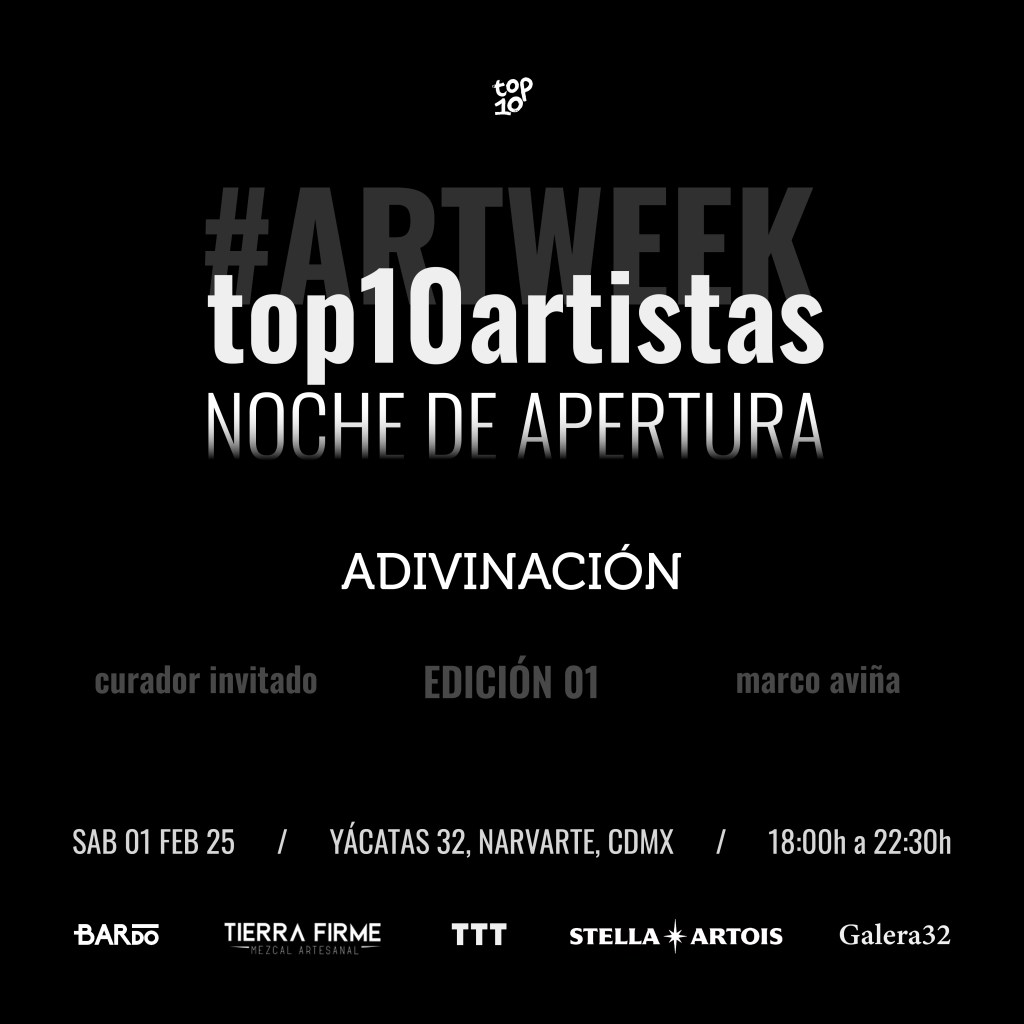
sede oficial edición 01
LA TEXTILERA
NOCHE DE APERTURA
1-8.FEB.26

Aviso de privacidad: top10artistas.com/avisodeprivacidad

